Alternative Fuels Take 4 in 10 Car Sales as E20 Concerns Grow
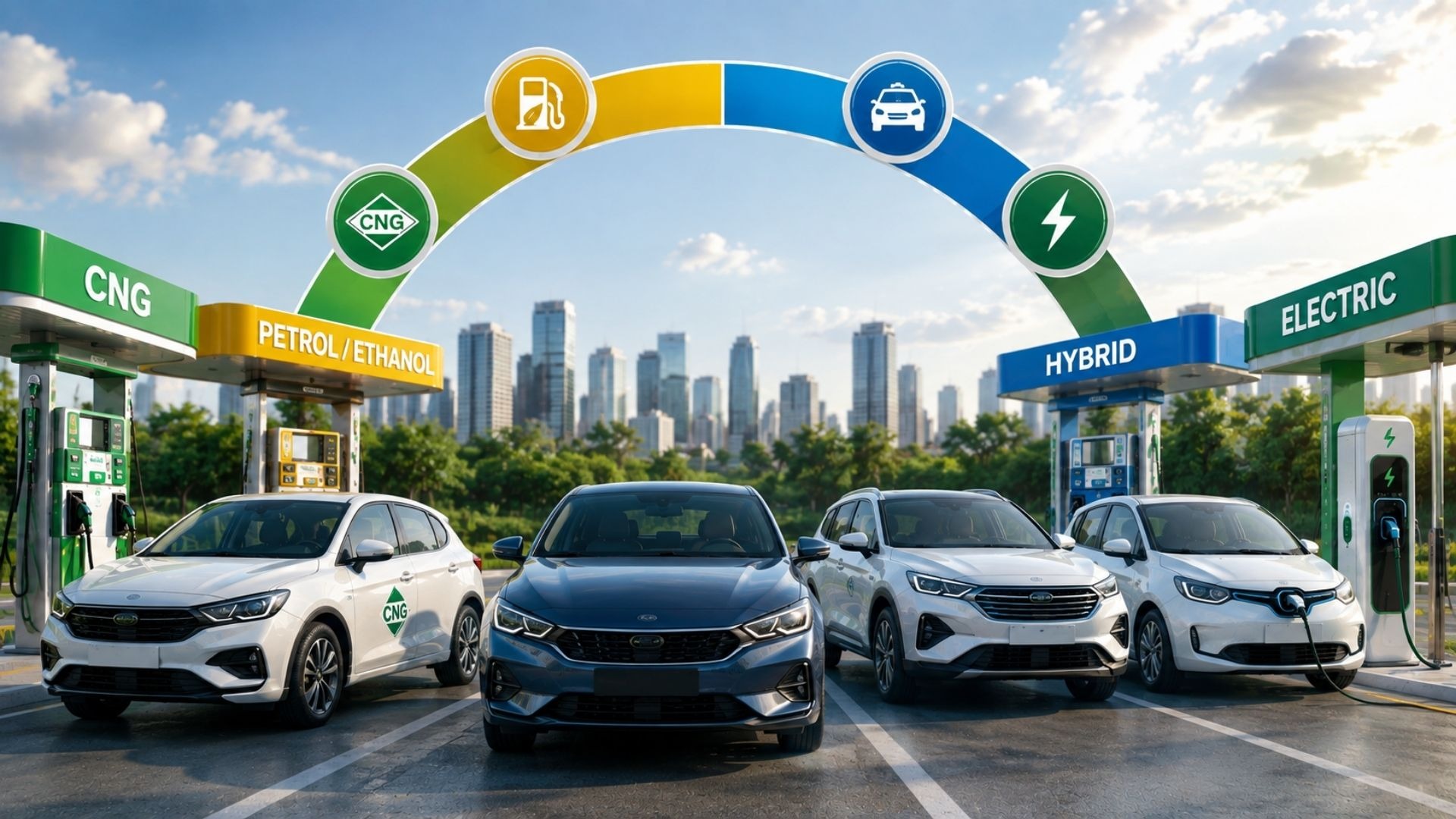
India’s passenger vehicle market is witnessing a noticeable change in fuel preferences, with CNG, hybrid and electric vehicles rapidly closing the gap with petrol-powered cars. In July 2026, alternative-fuel passenger vehicles accounted for 40.59% of total retail sales, just 1.09 percentage points behind petrol/ethanol vehicles.
The shift comes as buyers increasingly consider running costs and remain cautious about the transition to E20 ethanol-blended petrol. According to the Federation of Automobile Dealers Associations (FADA), India recorded its strongest-ever July for overall vehicle retail sales, with volumes rising 25.89% year-on-year to 25,91,138 units.
Alternative Fuels Nearly Match Petrol in Passenger Vehicles
The change in the passenger vehicle fuel mix was particularly significant. Petrol/ethanol-powered cars accounted for 41.68% of PV retail sales in July, compared with 43.15% in June and 47.62% in July 2025.
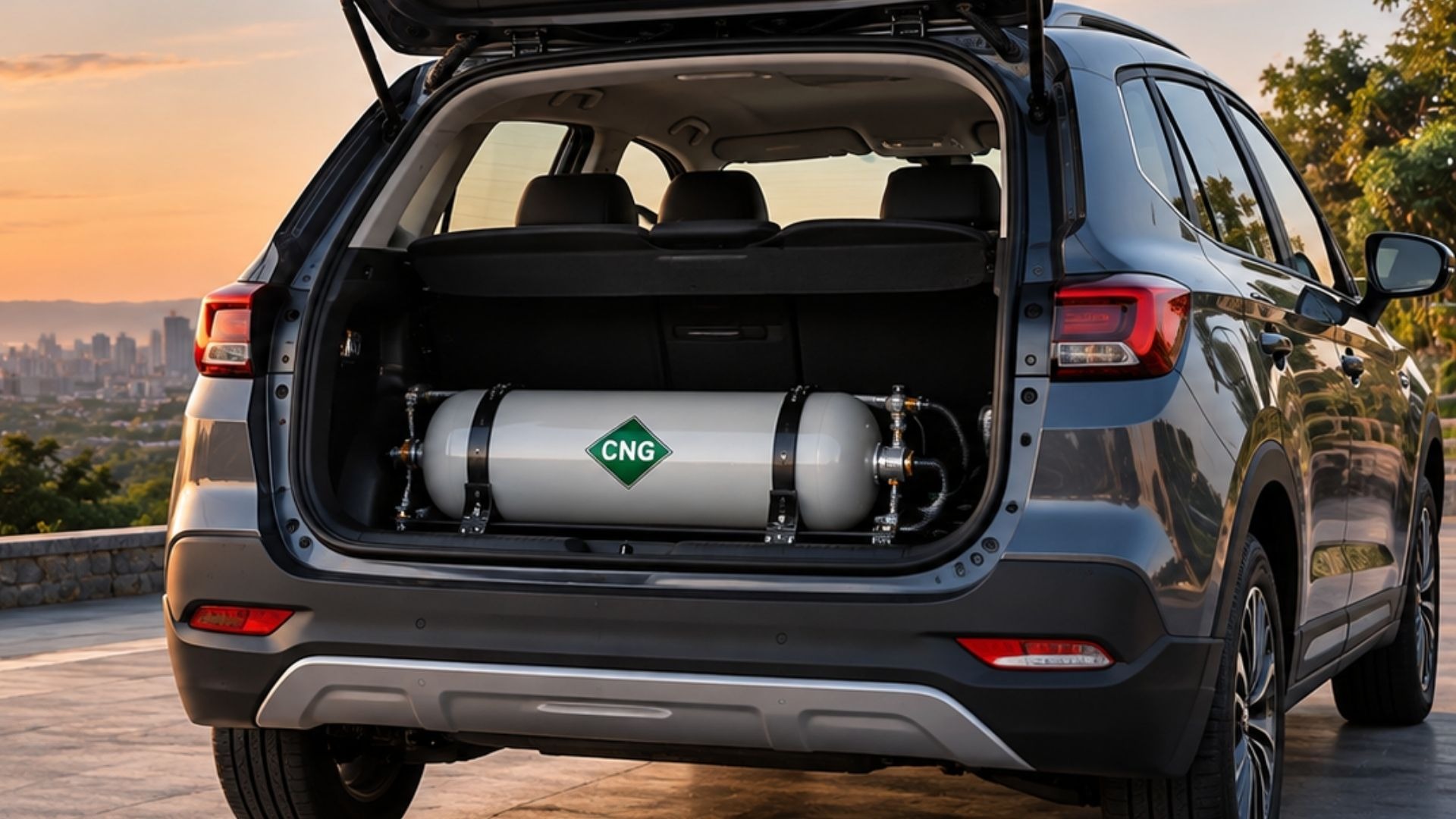
Meanwhile, CNG, hybrid and electric vehicles continued to gain ground. CNG/LPG vehicles held a 24.67% share, hybrids accounted for 8.02%, and EVs contributed 7.90%.
Combined, these three alternatives represented 40.59% of passenger vehicle sales. This is a substantial increase from the previous year, when their combined share was 34.41%, leaving a much wider 13.21 percentage-point gap with petrol/ethanol.
FADA Vice President Sai Giridhar said consumer concerns surrounding the E20 transition encouraged buyers to consider CNG, hybrid and electric vehicles. The industry body has also highlighted the need for clearer communication around E20 to address concerns among petrol vehicle buyers.
Diesel Recovers Some Ground
Diesel also gained a slightly larger share of passenger vehicle sales in July. Its contribution rose to 17.73%, compared with 16.32% in June. However, diesel's share remained below the 17.97% recorded in July 2025.
The data therefore points towards a broader diversification of the passenger vehicle market rather than a simple shift from petrol to diesel. While petrol/ethanol remains the largest individual category, CNG, hybrids and EVs are collectively becoming a much stronger alternative.
GST Changes and New Launches Support Demand
The changing fuel mix comes at a time when the automobile industry is also benefiting from improved consumer sentiment, new product launches and changes in vehicle taxation.
FADA said 44.05% of dealers reported that promotional schemes contributed to bookings during July. New models, improving customer confidence and government support for electric mobility also helped strengthen demand for alternative-powertrain vehicles.
EV Sales Reach a New High
Electric vehicle adoption continued to accelerate across India's automobile market. Total EV retail sales reached a record 3,27,901 units in July, taking overall EV penetration to around 12.7%, compared with 9.6% in July 2025.
Electric two-wheelers recorded their highest-ever market share at 11.24% in July, up from 7.65% a year earlier and 10.59% in June.
Despite this growth, petrol/ethanol vehicles continued to dominate the two-wheeler segment, accounting for 88.67% of sales. However, their share declined from 92.07% in July 2025.
FADA also noted that demand for some popular electric two-wheelers has exceeded supply, resulting in waiting periods for certain models.
Electric Three-Wheelers Continue to Lead Adoption
Three-wheelers remain the most electrified vehicle category in India. EVs accounted for 65.08% of three-wheeler retail sales in July, increasing from 60.33% a year earlier.
CNG/LPG vehicles contributed 21.55%, while diesel accounted for 13.09% of the segment.
The high EV penetration highlights the stronger economic case for electrification in commercial three-wheelers, where high daily running can make lower operating costs particularly attractive.
Diesel Continues to Dominate Commercial Vehicles
Commercial vehicles remain heavily dependent on diesel, which accounted for 80.40% of retail sales in July. However, this was lower than the 81.94% share recorded a year earlier.
CNG/LPG vehicles accounted for 12.75% of CV sales, while EVs reached a record 3.57%, more than double their 1.65% share in July 2025. Petrol/ethanol vehicles contributed 3.25%, while hybrids remained negligible at 0.03%.
The tractor segment remained almost entirely diesel-powered, with diesel accounting for 99.88% of sales and EVs making up the remaining 0.12%.
Alternative Powertrains Could Gain Further Ground
The July retail numbers indicate that India's passenger vehicle fuel mix is becoming increasingly diverse. Petrol/ethanol still holds the largest individual share, but the combined strength of CNG, hybrids and EVs has brought alternative powertrains to within just over one percentage point of petrol.
With the festive season expected to support vehicle demand in the coming months, the competition between different powertrain technologies could become even more intense.
For buyers, factors such as fuel prices, running costs, mileage, maintenance, charging availability and concerns surrounding the E20 transition are likely to play an increasingly important role in choosing their next car. If current trends continue, alternative fuels could soon account for a larger share of India's passenger vehicle market than petrol/ethanol.