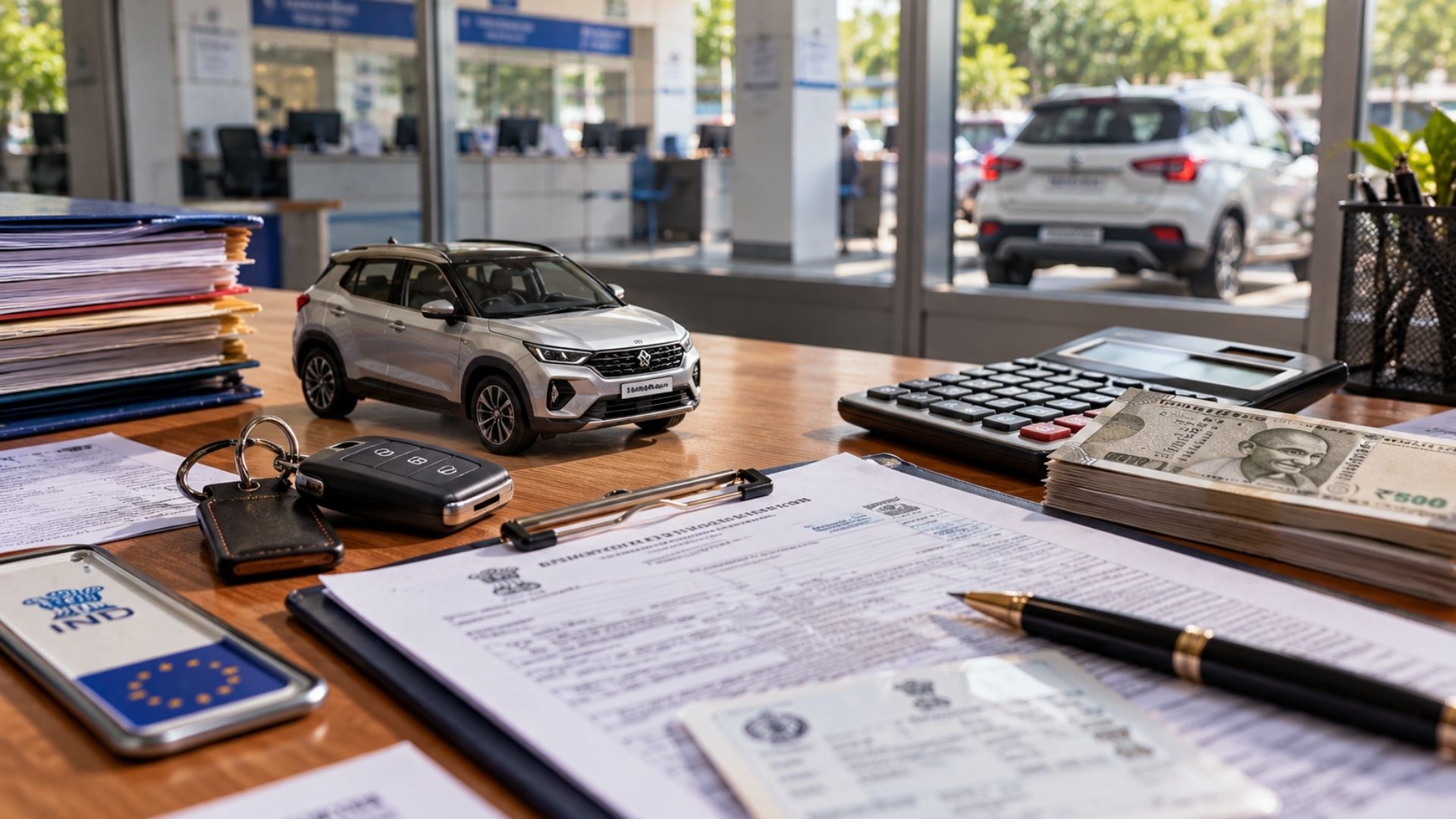

Buying a new car is more than just paying the price on the door. Also, you need to factor in the RTO registration charges, road tax, number plate charges, and other applicable fees, only after which you can legally drive it on Indian roads. These expenses vary with the state, type of vehicle, engine size, fuel type, and the price of the car.
Learning about the car registration fees in India will help you plan your budget and avoid unexpected expenses at the dealership. In this guide, we’ll break down the major registration costs, the differences in fees across different states, and what you should be looking for before booking your next car in 2026.
Quick Summary
- RTO registration charges vary by state and vehicle category.
- Road tax is usually one of the highest additional costs when buying a new car.
- Registration fees, number plates, and applicable smart card charges may be billed separately.
- Electric and CNG vehicles may receive state-specific tax benefits.
- Always confirm the latest rates with your local RTO before making a payment.
What Are RTO Registration Charges in India?
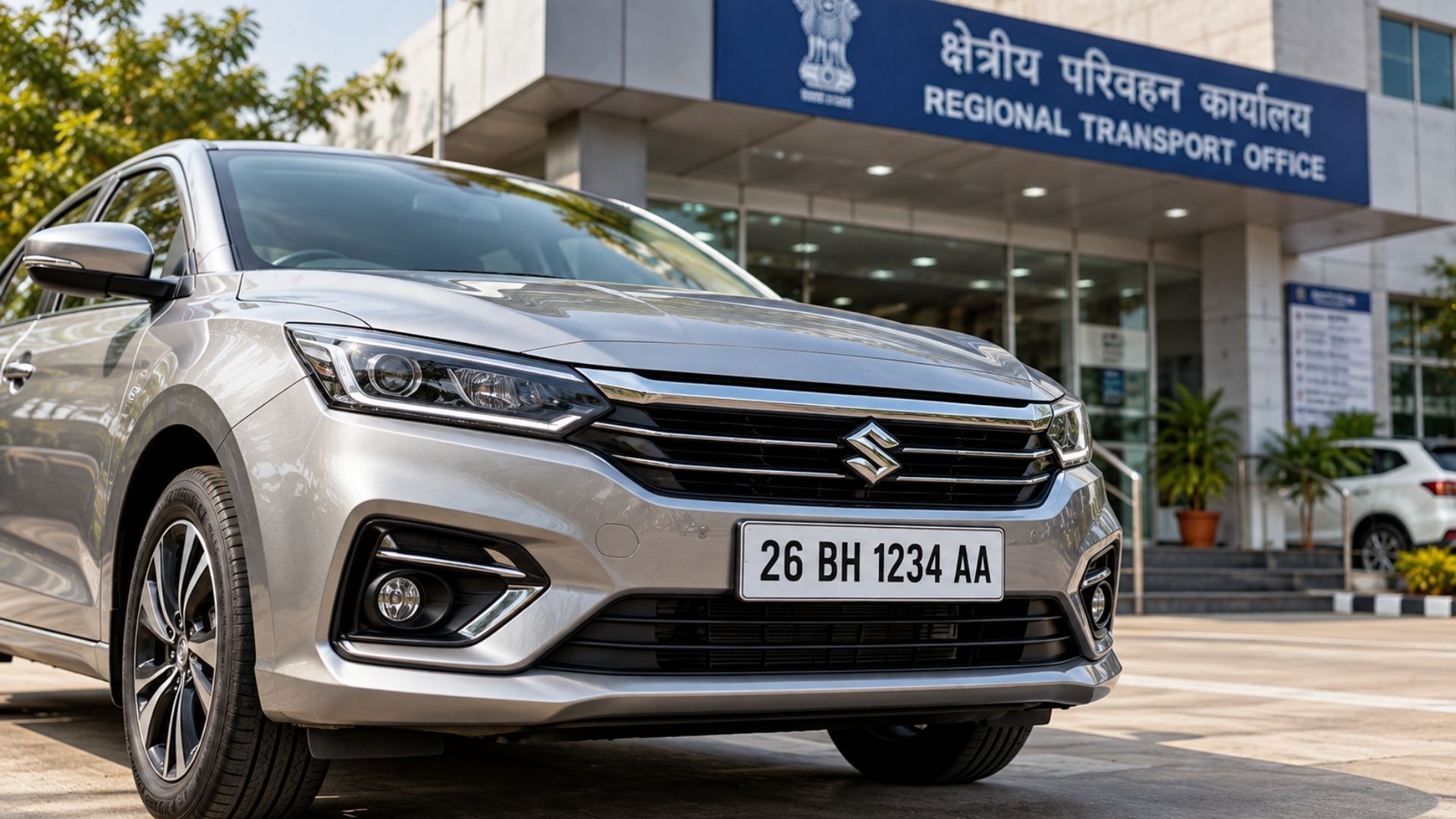
RTO registration charges are the fees and taxes charged for the registration of a vehicle with the Regional Transport Office. Registration identifies the vehicle as a legal entity, and it is used to allow the vehicle to be driven legally on public roads.
Generally, the total cost of a new car registration consists of the following:
1. Registration Fee
This is the government fee for registering the vehicle. Under the central fee schedule, the standard registration fee for a non-transport light motor vehicle is generally ₹600, excluding applicable additional charges.
2. Road Tax
Road tax is usually levied by the state / union territory. It may be based on the price of the vehicle, engine size, fuel type, weight or any other state-specific criteria.
3. High-Security Registration Plate
As per the vehicle registration rules in force, a High Security Registration Plate (HSRP) is mandatory. Prices are subject to change depending on the vehicle and the authorised supplier.
4. Other Applicable Charges
You may also need to pay extra for the registration certificate card fee, the number plate charges, and the taxes on services, as applicable for the registration process and state.
RTO Registration Charges: State-Wise Guide for 2026
There is no single road tax rate applicable throughout India. Each state follows its own tax rules, slabs, and concessions. The following table provides a practical overview of how charges are generally structured, rather than a fixed fee quotation.
Important: This is a state-wise planning guide, not a verified list of current 2026 tax percentages. Rates and concessions can change, so check the relevant state transport department or RTO for the exact amount payable.
Factors That Affect RTO Charges for Cars in 2026
Vehicle Price and Engine Capacity
Some states calculate road tax based on the cost of the vehicle, while others take into account other factors such as engine capacity or the vehicle category. Cars that cost more may be in a higher tax bracket.
Fuel Type
State tax laws may treat petrol, diesel, CNG, and electric cars differently. Some states offer electric vehicle incentives or exemptions, but the qualifications and how long they last vary.
Private or Commercial Registration
The registration rules and the tax rules are different for private cars and commercial vehicles. Make sure the right category before totalling.
State of Registration
The state where the vehicle is registered can make a big difference in the final bill. If you live in one state and plan to register the car in another, check the rules before you buy it.
How to Calculate Your New Car Registration Cost?
Follow these steps to estimate your expenses:
- Confirm the car's ex-showroom price and variant.
- Identify the state and RTO where it will be registered.
- Check the applicable road tax slab and any eligible concessions.
- Add the registration fee, HSRP, and other applicable charges.
- Include insurance and any optional accessories to calculate the complete on-road budget.
- Compare the dealer's itemised quotation with the applicable government fee schedule.
Before you pay, ask the dealer to itemise government taxes, statutory fees, and optional services. This helps to make discrepancies easier to see and to know exactly what you are paying for.
Conclusion
If you are looking to buy a new cars in India in 2026, you should be aware of the RTO registration charges. The standard registration fee is set by central rules, but road tax and some other costs depend on the state, vehicle category, and fuel type.
Before buying, get the latest rates from the state transport department and an itemised on-road quote. AutoRaftar can help you find out the prices of cars, compare the models, and help you make a better buying decision.
FAQs About RTO Registration Charges
1. What are RTO registration charges for a new car in India in 2026?
They include the applicable registration fee, state road tax, HSRP costs, and other relevant charges. The total varies by state and vehicle category.
2. How much is the car registration fee in India?
The standard central registration fee for a non-transport light motor vehicle is generally ₹600, excluding additional applicable charges. Confirm the current fee schedule before payment.
3. Which state has the lowest road tax on new cars in India?
There is no universally lowest-cost state for every car. The result depends on the vehicle's price, fuel type, category, and the state's current tax rules.
4. Do electric cars have lower RTO charges in India?
Some states offer road tax exemptions or concessions for eligible electric cars. These benefits vary by state and may be subject to specific conditions.