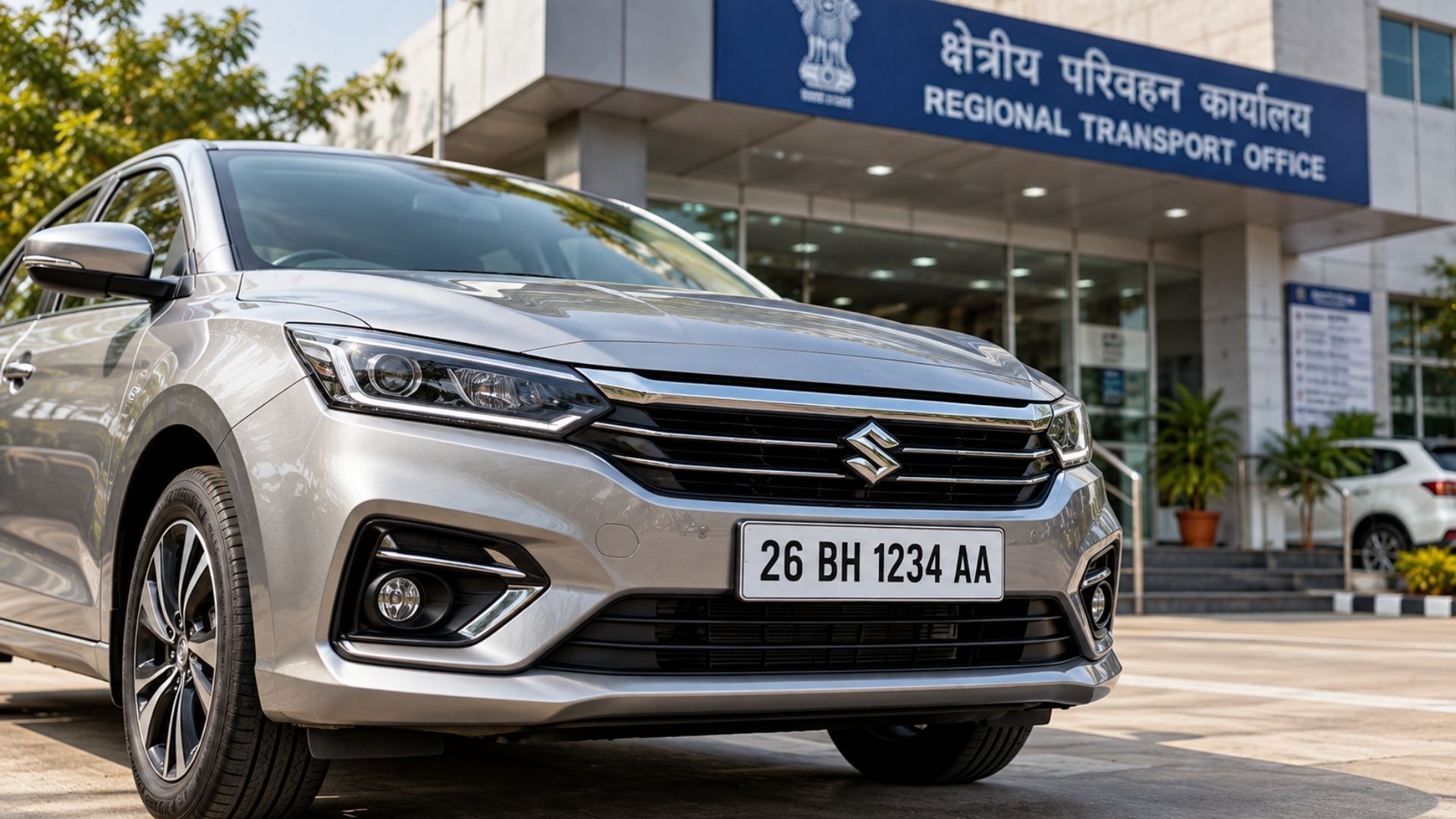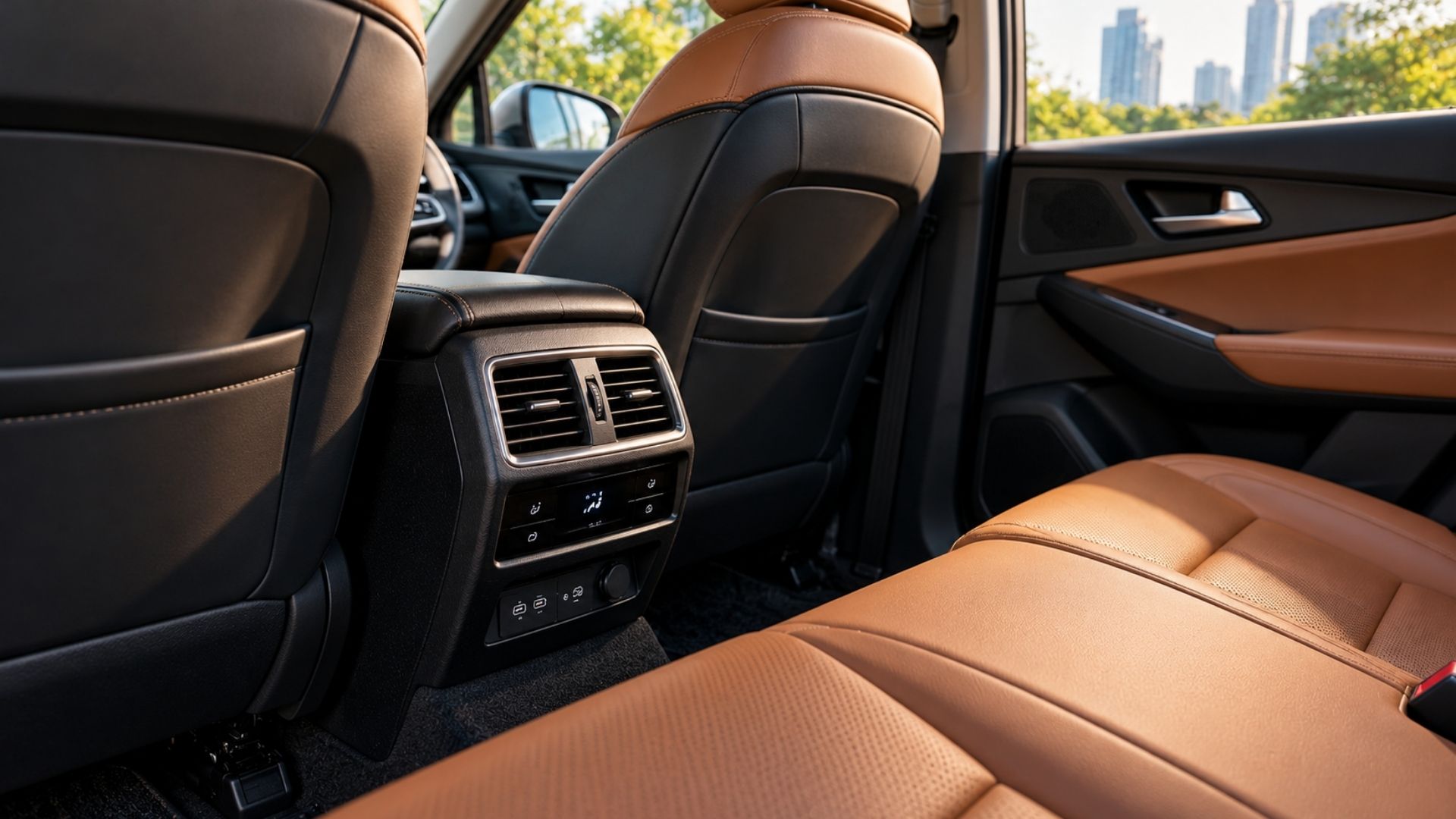

Choosing cars that come with rear AC vents can make a significant difference in passenger comfort, particularly in India’s hot summer months. Rear air conditioning helps spread the cool air to backseat passengers, whether you’re navigating city traffic or taking a long highway trip with family.
Many modern SUVs and compact SUVs now have rear AC vents, even in the budget segment. Please be aware that the availability of certain variants may differ, so it is important to check the equipment list before you book. If you’re looking to buy a family-friendly car in 2026, this guide outlines popular options, indicative prices, and features to compare.
Quick Summary
- Rear AC vents help improve comfort for passengers in the second row, especially during hot weather.
- Several popular SUVs in India offer rear AC vents, including the Tata Nexon, Hyundai Venue, Maruti Suzuki Brezza and Kia Sonet.
- Buyers looking for cars with rear AC vents under ₹15 lakh should compare specific variants rather than relying on model names alone.
- Rear vents do not always mean independent rear climate control; most affordable models provide air distribution from the main AC system.
- Consider cabin space, cooling performance, safety features, mileage, and maintenance costs alongside rear AC availability.
Why Should You Choose Cars with Rear AC Vents?
Cabin cooling in India’s climate is not a convenience. If most of the cooled air is directed to the front seats, it may take longer for the rear passengers to feel comfortable.
This is helped by the rear AC vents getting the air to the second row more directly. They are especially useful for families with children, older passengers, and those who regularly travel with a number of passengers.
Before buying, check the vents’ position, the airflow adjustment, the rear seat space, and the AC system’s overall effectiveness. Rear vents are nice, but they can't make up for a poorly maintained air conditioner or inadequate cabin cooling.
Best Cars with Rear AC Vents in India 2026
1. Tata Nexon
If you are looking for a compact SUV with a practical cabin and a big focus on safety features, the Tata Nexon is worth a look. The rear AC vents are available in some variants, making the model a good option for families that often have rear-seat passengers.
Check the variant-wise equipment list, boot space, fuel type, and on-road price before choosing the version you like.
2. Hyundai Venue
Hyundai Venue is a compact SUV for city driving. The manageable size is great for busy city streets, and some variants boast features designed to improve the comfort of the daily commuter, such as rear AC vents.
If your family regularly has adults in the rear, it’s worth checking rear-seat space and the list of features by trim.
3. Maruti Suzuki Brezza
The Maruti Suzuki Brezza makes sense for those buyers who look for day-to-day practicality, a comfortable driving position and a familiar ownership experience. Some variants get rear AC vents too, which can be useful on family trips and daily commutes.
Compare petrol and CNG options where available, luggage space, running costs and the equipment offered in each variant.
4. Kia Sonet
If you want a compact SUV with a feature-loaded cabin and a range of powertrain choices, the Kia Sonet is the ideal one. However, rear AC vents are available in select variants, and customers should check the exact configuration before booking.
Compare the feature set, rear seat comfort, gearbox choice, and the ultimate on-road price.
5. Hyundai Creta
If your budget is bigger, you can also consider the Hyundai Creta. With a bigger cabin, it's a choice for families seeking more space for people and bags, with rear AC vents on relevant variants.
Make sure that the extra space and gear make the higher purchase price worth it over compact SUVs.
SUVs with Rear AC Vents in India: What Should You Compare?
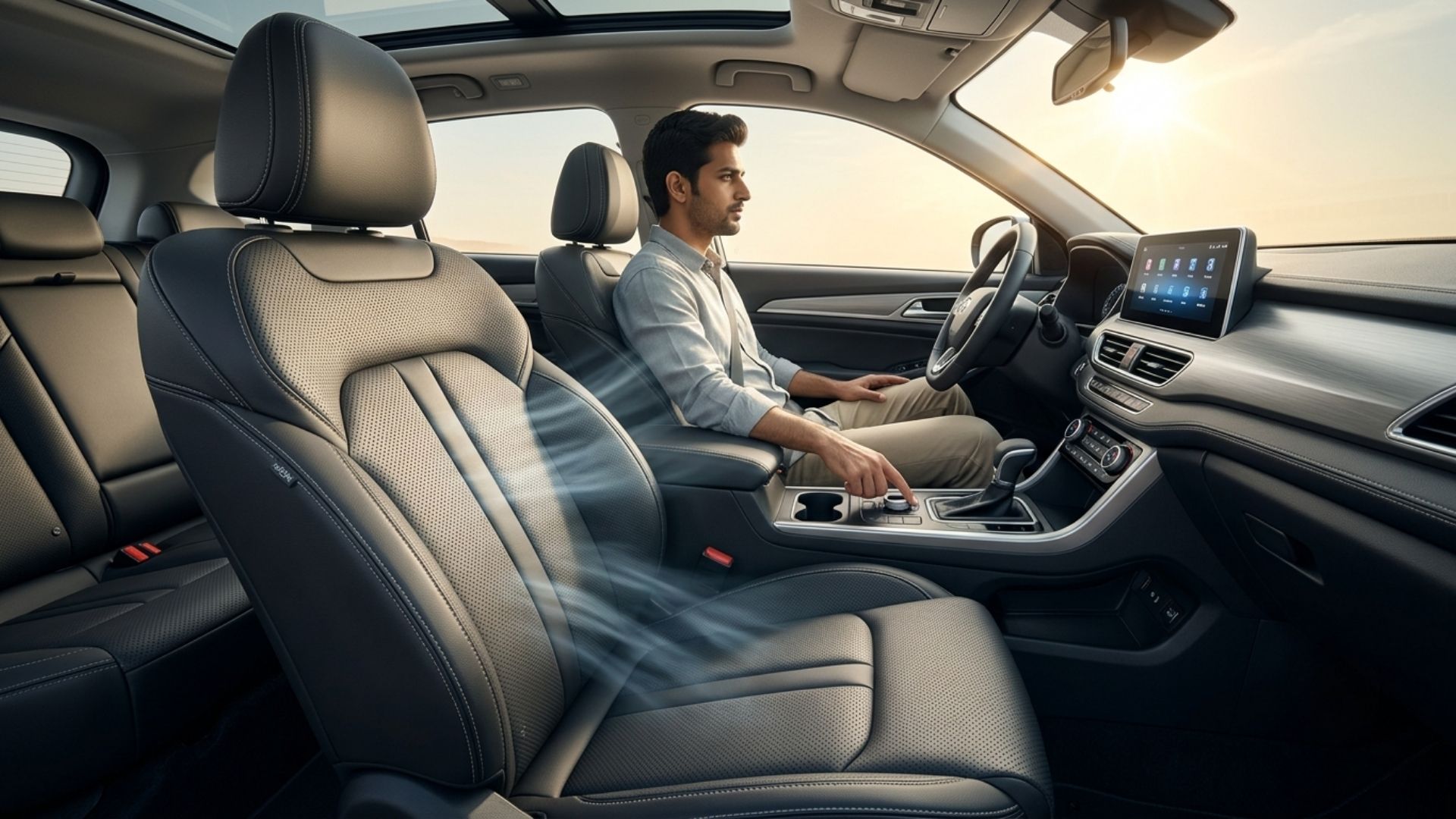
When comparing SUVs with rear AC vents in India, look beyond the presence of vents alone. A comfortable family car should provide a good balance of cooling, seating space, ride quality, and everyday practicality.
Focus on these factors:
- Rear-seat comfort: Check legroom, headroom, seat cushioning and the centre-seat experience.
- Airflow: See whether the rear vents are easy to reach and allow passengers to adjust the direction of air.
- AC performance: Test the car after it has been parked in warm conditions, if possible.
- Safety: Compare the safety equipment and crash-test information available for the relevant model and variant.
- Running costs: Review claimed fuel efficiency, service schedules and expected maintenance expenses.
Cars with Rear AC Vents Under ₹15 Lakh
If you are shopping on a budget, the Tata Nexon, Hyundai Venue, Maruti Suzuki Brezza and Kia Sonet are useful starting points. Depending on the model, variant, location, and offers, some versions may fit within a ₹15 lakh budget.
Remember that the ex-showroom price is not the same as the on-road price. Registration charges, insurance, accessories, and other applicable costs can affect your final budget.
Practical Comparison Table
Note: This is a shortlist for comparison, not a guarantee that every variant includes rear AC vents or falls within the stated budget. Prices and specifications can change during 2026. Verify current manufacturer information before making a purchase.
Also read: Best Cars to Buy Under ₹15 Lakh This Diwali 2026
Rear AC Vents in Affordable SUVs: Are They Worth It?
Rear AC vents are a handy feature for most families and not some unnecessary luxury. This makes life easier for passengers who are spending a lot of time in the back, especially in stop-start traffic and on summer journeys.
But give priority to the features you’ll use most. If you travel regularly with four or five people, you might appreciate rear-seat comfort, effective cooling and enough luggage space more than a larger touchscreen or styling changes.
The best way to determine if the cabin fits your needs is to take a test drive. Get a second-row seat, check the airflow, and compare the variants that fit your budget.
How to Choose the Best SUVs for Family Comfort?
The best SUVs for family comfort are not necessarily the most expensive ones. The right choice depends on how you use your car.
A small SUV may be easier to park and cheaper to run for daily use in the city. If you do a lot of highway driving, you may want more room inside, seats that support you, and a ride that feels steady.
Ensure the rear AC vents are included in your chosen variant before booking. AutoRaftar is a good source to explore the SUV options and compare models based on your preferred body type and budget.
Conclusion
The best cars with rear AC vents in India in 2026 provide efficient cabin cooling, comfortable rear seats, practical interiors, and reasonable ownership costs. If you’re looking at affordable SUVs, Tata Nexon, Hyundai Venue, Maruti Suzuki Brezza and Kia Sonet are good places to start. For something a little bigger, you can look at Hyundai Creta.
Get the best prices, variant-wise specifications, and test drives before you buy. Narrow down the choices and find a model to meet your family’s comfort requirements and budget by looking at the SUVs available on AutoRaftar.
FAQs on Cars with Rear AC Vents in India
1. Which cars have rear AC vents in India in 2026?
Popular options to investigate include the Tata Nexon, Hyundai Venue, Maruti Suzuki Brezza, Kia Sonet, and Hyundai Creta. Rear AC availability depends on the specific variant and model year.
2. Which SUVs have rear AC vents under ₹15 lakh?
Selected variants of the Tata Nexon, Hyundai Venue, Maruti Suzuki Brezza and Kia Sonet may fit within this budget. Check the latest ex-showroom and on-road prices in your city.
3. Are rear AC vents useful for family cars?
Yes. They help direct cooled air towards rear passengers, improving comfort during summer drives and longer journeys. Actual cooling performance also depends on the main AC system and cabin conditions.
4. Do rear AC vents provide separate temperature control?
Not necessarily. In many affordable SUVs, rear vents distribute air from the main air-conditioning system but do not provide independent temperature settings. Check the specifications of the individual model.