
Understanding dashboard warning light meanings can help you identify potential car problems before they become expensive repairs. Modern cars display different symbols on the dashboard to alert drivers to issues involving the engine, brakes, battery, tyres, oil pressure and other essential systems.
Some warning lights simply tell you that a feature is on. Others tell you that there is a problem that needs to be dealt with immediately. Knowing the difference when driving in busy Indian cities, on motorways, or getting ready for a long road trip is really useful.
This guide explains what common car dashboard warning lights mean, what the different colours signify, and what you should do when they appear.
Quick Summary
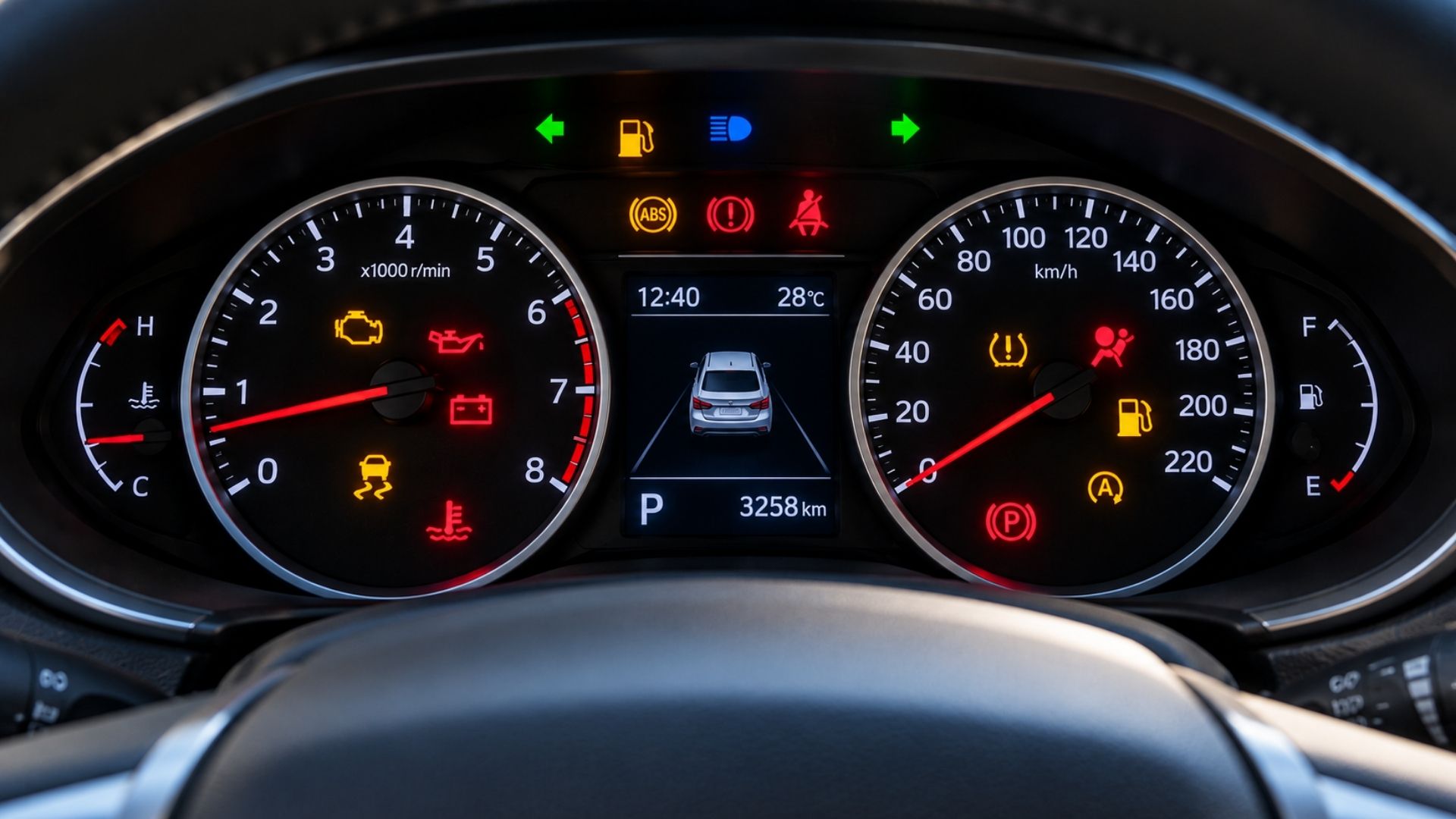
- Red warning lights: Usually indicate a serious problem or an immediate safety concern. Stop safely when required.
- Yellow or amber lights: Generally indicate a fault or condition that needs checking soon.
- Green and blue lights: Usually confirm that a vehicle feature, such as headlights or indicators, is active.
- Flashing warning lights: Can indicate an urgent issue, particularly when the engine management light flashes.
- Never ignore warning lights: Check your owner's manual and arrange professional assistance when necessary.
What Is the Dashboard Warning Lights Meaning?
Dashboard warning lights are visual alerts that communicate your car's operating status. Sensors and electronic control systems monitor different vehicle components and illuminate symbols when a particular condition is detected.
Many symbols on a car dashboard follow the same conventions, but each manufacturer and model has its own exact symbols.
For instance, an oil can symbol indicates an oil-related warning. A battery symbol generally means a charging system problem. Knowing these symbols helps you determine if you can keep driving or if you need to pull over.
What Do Red and Yellow Dashboard Warning Lights Mean?
The colour of a warning light provides an important clue about its urgency.
Red warning lights: Stop and investigate
Red lights generally indicate a serious fault or safety concern. For example, low engine oil pressure, overheating, brake system warnings, and seat belt reminders.
If you receive a red warning for oil pressure or engine temperature while driving, pull over in a safe location and shut the engine down as needed. If you continue to drive, you could do serious damage.
If the red brake warning light comes on, it could mean the parking brake is on, but it could also mean low brake fluid or a problem elsewhere in the brake system. If it stays on when you release the parking brake, pull over safely and seek professional advice.
Yellow or amber warning lights: Check the problem
Amber lights usually mean a system that needs attention. Examples include the check engine light, ABS warning, tyre pressure monitoring system (TPMS) warning and low fuel indicator.
Some amber warnings, depending on the problem, mean you can drive carefully to a suitable workshop; But you may need to stop immediately if you see flashing lights, hear strange noises, or lose power or other symptoms.
Blue and green lights are usually for active functions, not for faults. Examples are dipped headlights, main beams, and indicators.
Common Car Dashboard Warning Lights and Their Meanings
1. Check Engine Light
The sign usually looks like an engine outline. It can mean issues with engine sensors, emissions controls, the ignition, or fuel systems.
What to do: If the light stays on and the car runs normally, arrange a diagnostic check promptly. If it flashes, reduce engine load and stop safely if necessary. A flashing light can indicate a misfire that may damage the catalytic converter.
2. Engine Oil Pressure Warning
The oil can symbol indicates low engine oil pressure, which can prevent essential engine components from receiving adequate lubrication.
What to do: Stop safely and switch off the engine. Check the oil level only when it is safe to do so. If the warning remains, do not continue driving; arrange roadside assistance.
3. Engine Temperature Warning
A thermometer over waves symbol typically indicates that the engine is overheating.
What to do: Pull over safely and switch off the engine. Allow it to cool completely before checking anything. Never open a hot coolant reservoir cap, as pressurised coolant can cause serious burns.
4. Battery or Charging System Warning
The battery-shaped symbol may indicate a fault with the alternator, battery connections, or charging system.
What to do: Turn off non-essential electrical accessories and find a safe place to stop. The vehicle may lose electrical power, so arrange assistance rather than assuming that replacing the battery will solve the problem.
5. Brake System Warning
An exclamation mark inside a circle or a similar brake symbol may indicate an engaged parking brake or a brake system fault.
What to do: Check that the parking brake is fully released. If the light remains on, particularly alongside a soft brake pedal or reduced braking performance, stop driving and seek assistance.
6. ABS Warning Light
The letters ABS inside a circle indicate a potential fault in the anti-lock braking system.
What to do: Normal braking may still work, but the anti-lock function could be unavailable. Drive cautiously only if braking feels normal and the vehicle is safe to move. Arrange a prompt inspection.
7. Tyre Pressure Warning
The TPMS symbol resembles a horseshoe with an exclamation mark. It usually indicates that one or more tyres may be underinflated.
What to do: Check your tyres as soon as it is safe. Measure pressure when the tyres are cold and follow the manufacturer's recommended figures, usually displayed on the driver's door frame or in the owner's manual.
8. Airbag Warning Light
An airbag symbol or a seated person with a circle indicates a possible fault in the airbag or supplemental restraint system.
What to do: Arrange an inspection promptly. The airbags or seat belt pretensioners may not work correctly in a collision.
9. Fuel Warning Light
A fuel pump symbol usually means the fuel level is low.
What to do: Refuel at the earliest convenient opportunity. Avoid routinely running the tank nearly empty, particularly before long journeys or when travelling through areas with limited fuel stations.
10. Seat Belt Warning Light
This symbol reminds occupants to fasten their seat belts. Some vehicles also display warnings when heavy objects are placed on passenger seats.
What to do: Ensure everyone is wearing a seat belt correctly and check that luggage is not triggering the passenger sensor.
Dashboard Symbols in Cars: Quick Reference Table
Note: Symbol designs, colours and meanings can vary by vehicle. Always consult your car's owner's manual for model-specific guidance.
What Should You Do When a Dashboard Warning Light Appears?
Follow these practical steps to respond safely:
- Identify the symbol and colour. Check whether it indicates an immediate safety concern or a routine fault.
- Look for additional symptoms. Smoke, unusual smells, overheating, strange noises, or reduced braking performance may indicate a serious problem.
- Stop when necessary. Pull over safely if a critical warning appears. Avoid stopping in a live traffic lane unless unavoidable.
- Consult the owner's manual. It explains the exact meaning of your vehicle's warning symbols.
- Arrange professional assistance. Do not reset a warning light simply to make it disappear without investigating its cause.
These steps can help prevent further damage and improve road safety.
Also read: RTO Registration Charges in India 2026: State-Wise Guide
How Can You Prevent Dashboard Warning Lights?
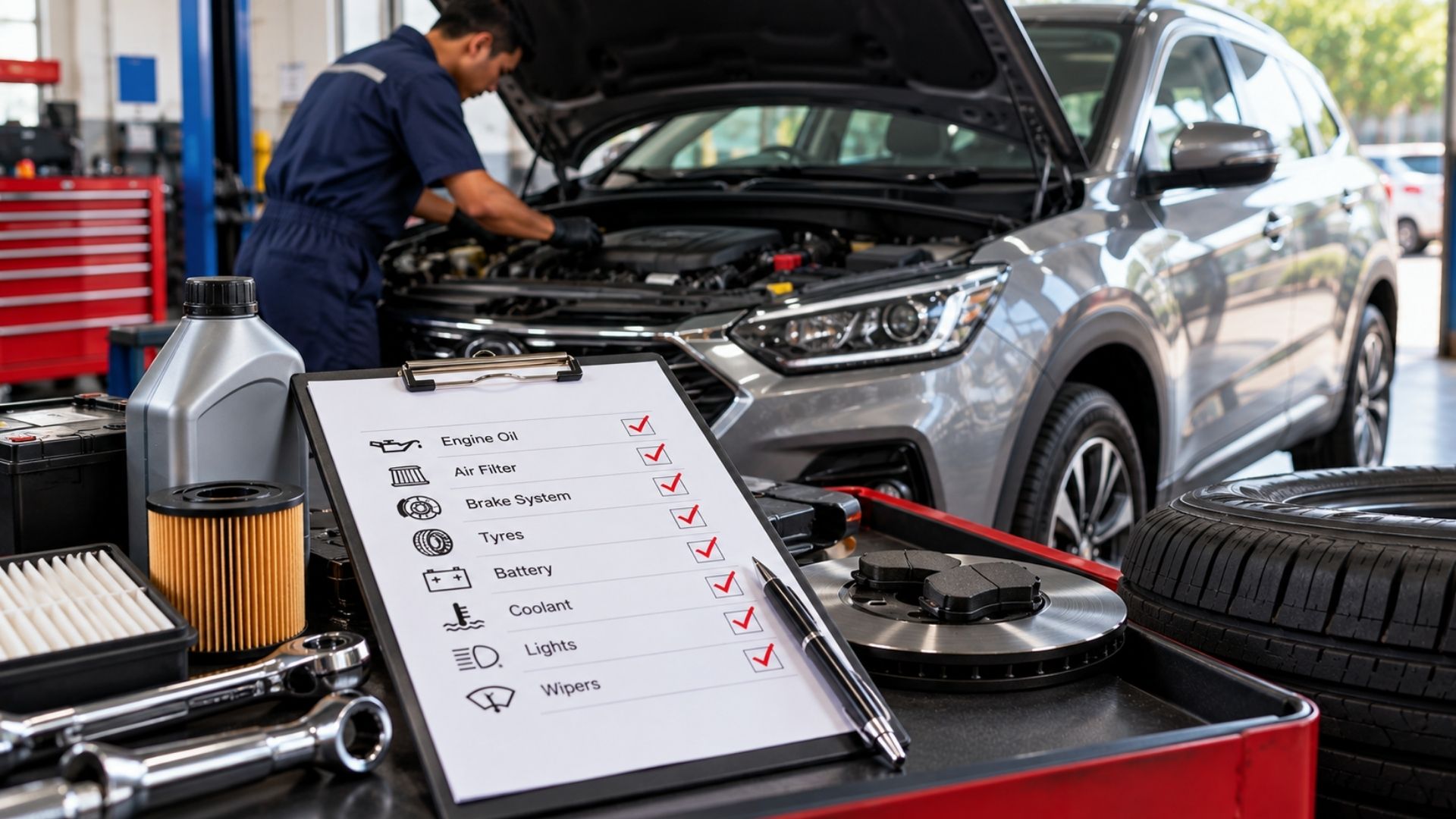
Although some faults occur unexpectedly, regular maintenance can reduce the likelihood of avoidable warnings.
- Check engine oil, coolant, and other fluids according to the manufacturer's schedule.
- Inspect tyre condition and pressure regularly.
- Follow recommended servicing intervals.
- Pay attention to changes in braking, steering, engine performance and fuel economy.
- Address unusual dashboard alerts promptly rather than waiting for the next service.
For Indian driving conditions, regular checks are particularly valuable before long highway journeys, during extreme summer temperatures and when travelling on roads with heavy traffic.
Conclusion
Understanding dashboard warning lights meaning allows you to recognise potential problems, respond appropriately and make safer driving decisions. Red warnings normally require immediate action, while amber warnings normally mean a system needs to be checked. But your action should always be determined by the specific symbol and the behaviour of your car.
And never ignore a critical warning, and never assume a vehicle is safe just because it keeps running. Check your owner’s manual and consult a professional if needed.
AutoRaftar provides you with vehicle information and buying guidance to help you make the right choice, and practical advice for car ownership throughout your motoring journey.
FAQs About Dashboard Warning Lights
1. What do dashboard warning lights mean in a car?
Dashboard warning lights alert you to vehicle conditions, active features or possible faults. Their meanings depend on the symbol, colour and vehicle model.
2. Which dashboard warning lights mean you should stop immediately?
Red oil pressure, engine overheating and serious brake system warnings generally require you to stop safely. Other critical warnings may also require immediate action depending on the circumstances.
3. Can I drive with a yellow dashboard warning light on?
Sometimes. An amber light may allow you to drive cautiously to a workshop, but it depends on the fault. Stop if the light flashes, the car behaves abnormally, or driving becomes unsafe.
4. Why does the check engine light come on?
It may indicate an engine sensor, emissions, ignition, or fuel system problem. A diagnostic scan can help identify the cause. A flashing check engine light requires particular attention.