
A good car tyre buying guide in India can greatly simplify the process of selecting new tyres. The right tyres can make a difference to braking, cornering, ride quality, fuel economy and road safety, so choose them on more than price alone. A little bit of research will help you make a more confident decision, from learning about tyre sizes to choosing a suitable tread pattern.
Driving conditions in India are quite different. City traffic, highways, monsoon rain, rough surfaces, and high temperatures can all impact tyre performance. Whether you’re replacing worn tyres or upgrading your set, you’ll want to know what to look for.
Quick Summary
- Check your vehicle manufacturer's recommended tyre size before you buy.
- When comparing tyres, consider road conditions, driving habits and weather.
- Check the tread condition, age, load rating and speed rating before replacing.
- Don’t just choose tyres because they’re cheap or they look good.
- Before you buy, look at suitable options and vehicle specifications.
Why Your Car Tyres Matter More Than You Think?
Tyres are the only part of your car that makes contact with the road. Their condition can impact how fast your vehicle stops, how well it handles turns, and how comfortable the ride is.
If the tyres are worn or the wrong type, they will have less grip, especially when it’s wet. Uneven wear may also point to problems with wheel alignment, suspension or tyre pressure.
That’s why Indian motorists should specifically opt for tyres that are suitable for local driving conditions. The best tyres for Indian roads will depend on whether you’re spending most of your time on busy city streets, highways or rural back roads.
How to Read Your Car Tyre Size Without Confusion?
It is important to understand the markings on a tyre when you are looking at a car tyre size guide.
For example, a marking like 205/55 R16 91V carries several pieces of information:
- 205: Tyre width in millimetres.
- 55: Aspect ratio, representing the sidewall height as a percentage of the tyre width.
- R: Radial construction.
- 16: Wheel diameter in inches.
- 91: Load index.
- V: Speed rating.
Always consult your owner’s manual, the vehicle manufacturer’s recommendations, or the existing tyre specification before changing size. Just because a tyre looks different, it doesn’t mean it’s a suitable replacement.
Why Size and Ratings Matter?
Changing the tyre size can impact handling, ride height, speedo readings, and clearance. Your vehicle’s load and speed ratings should be correct as well.
If in doubt, get a qualified tyre professional to confirm the correct specification prior to purchase.
Types of Car Tyres to Consider
Different tyre designs are intended for different driving requirements.
Touring Tyres
They are normally designed to be a compromise between comfort, handling, noise and practicality. They can be good for drivers who spend a lot of time commuting.
Performance Tyres
Performance-oriented tyres tend to be more focused on steering response, cornering and road grip. They may be better for drivers who value handling.
All-Season or All-Round Options
Depending on the market and tyre specification, these can provide a practical balance for mixed conditions. But do verify that the tyre is suitable for the Indian climate and your specific driving conditions.
Common Car Tyre Buying Mistakes to Avoid
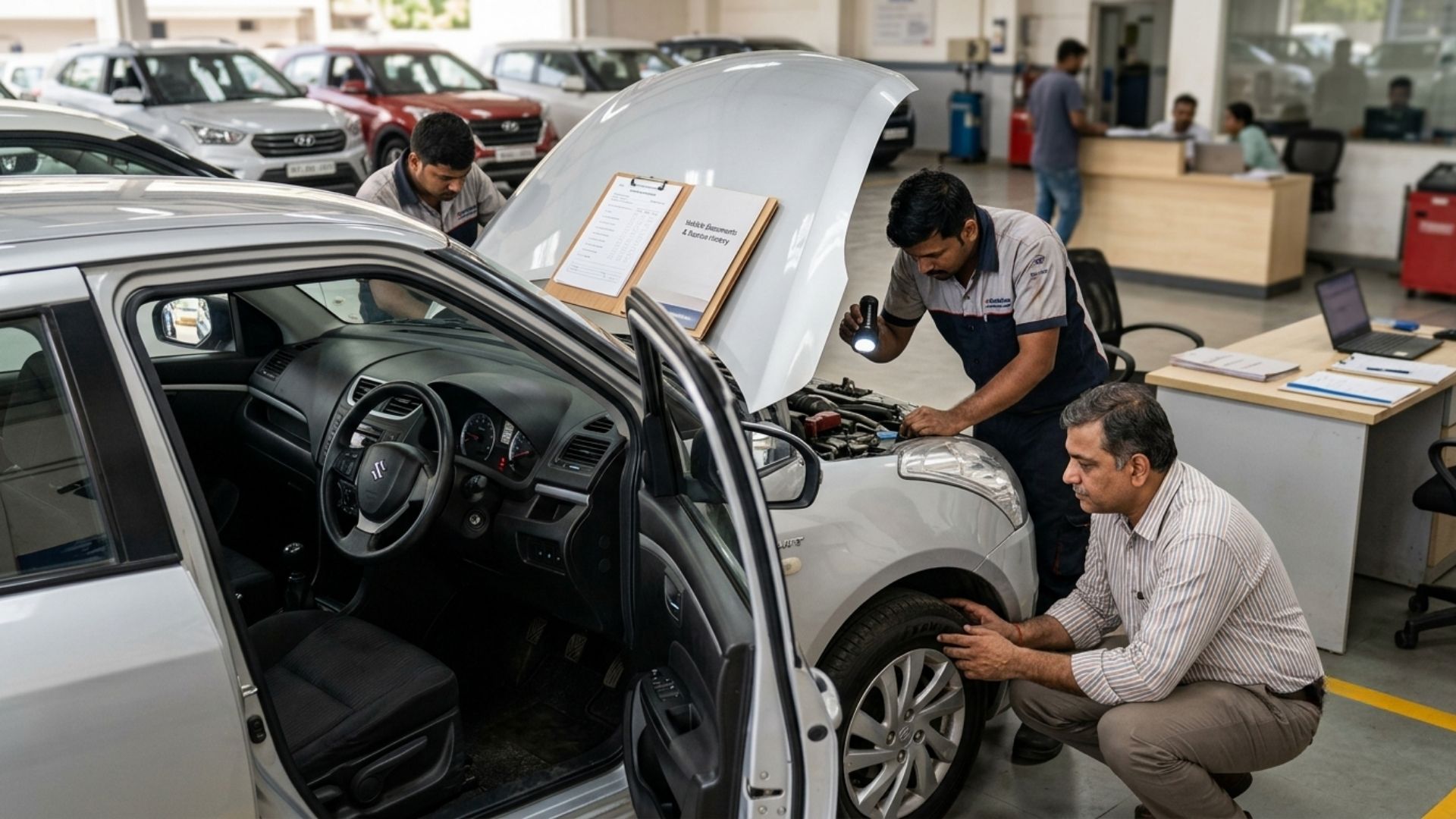
One of the simplest mistakes to make is buying tyres without checking the original specification. Other frequent mistakes are:
- Selecting the cheapest option without comparing specifications.
- Ignoring the tyre's manufacturing age.
- Buying tyres with unsuitable load or speed ratings.
- Replacing only one tyre when the axle requires a matched pair.
- Failing to check wheel alignment after noticing uneven wear.
- Choosing a tyre solely because it looks sporty.
- Ignoring recommended tyre pressure.
Tyres should be considered as a critical safety element, and not just another maintenance cost.
Practical Tyre Buying Guide
How Do I Choose the Right Car Tyres in India?
Begin by looking up the recommended tyre size and ratings for your vehicle. Then think about where and how you usually drive.
If most of your driving is in city traffic, comfort, brake performance, and noise might be important. If you spend a lot of time on the highway, you might want to focus on stability and long-distance performance.
Durability and the right construction of sidewalls can also be important factors in difficult road conditions. You will be better able to identify the best car tyres in India for your vehicle and driving needs by comparing several options rather than relying on a generic recommendation.
AutoRaftar can also be quite helpful for those researching cars and learning about specifications before making decisions related to vehicles.
What Should I Check Before Buying New Car Tyres?
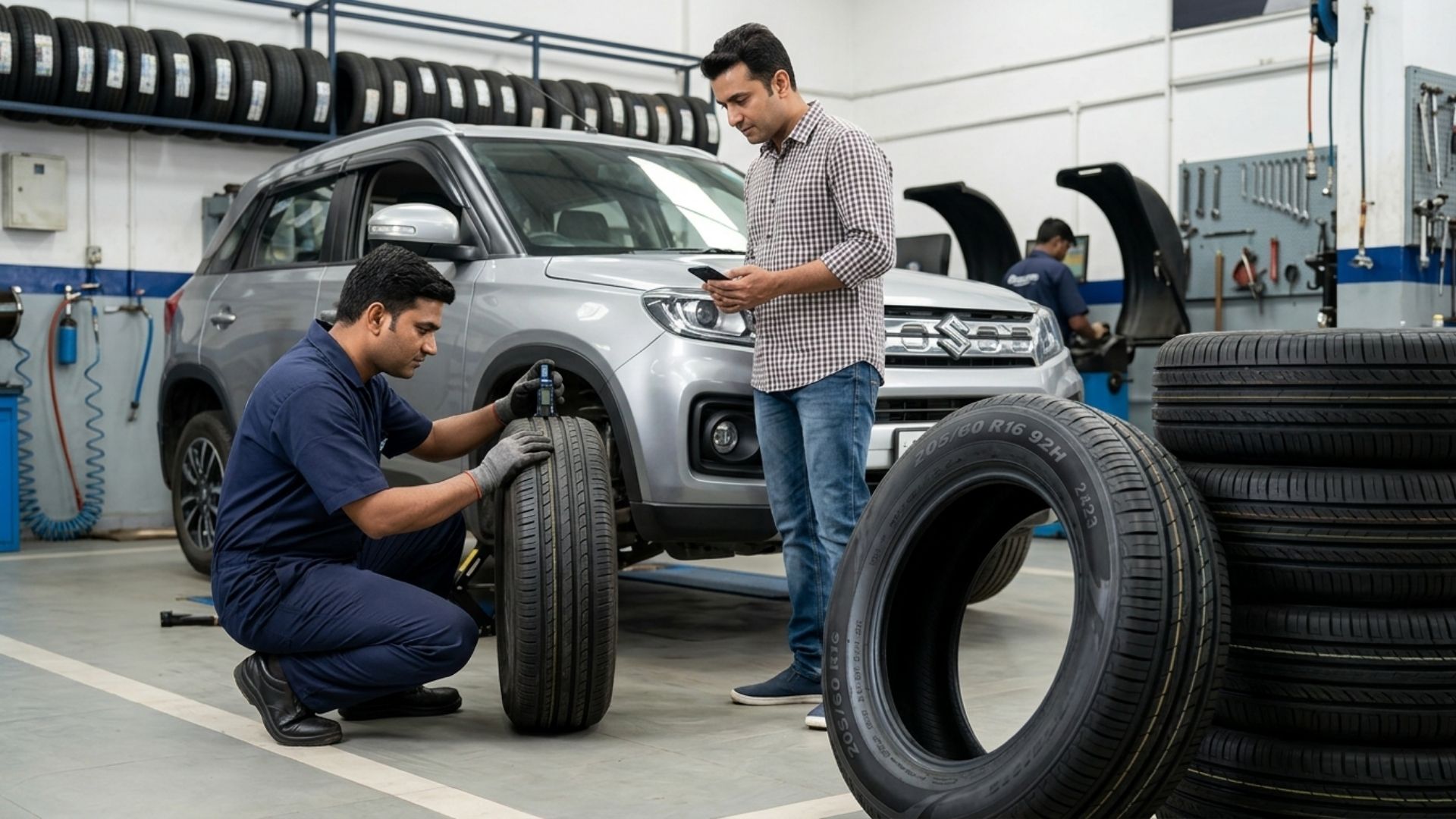
Check the tyre size, load index, speed rating and the manufacturing date before you purchase a new set. Check the tyres for signs of damage and ensure the specifications are compatible with your vehicle.
It is also worth determining whether your existing tyres are wearing unevenly. If they do, changing the tyres without correcting the underlying problem – whether it’s alignment, suspension or pressure – could lead to the same kind of wear on the new set.
When Should You Replace Your Tyres?
Look for warning signs such as:
- Tread approaching the legal or manufacturer's replacement limit.
- Visible cracks, cuts or bulges.
- Repeated punctures or damage.
- Uneven tread wear.
- Noticeably reduced wet-road grip.
- Excessive vibration or changes in handling.
Don’t wait until a tyre fails to consider replacement. Regular checks and the correct tyre pressures will help you to spot problems sooner.
Also read:- Car Buying Guide 2026: Choose the Right Car for Your Budget
Conclusion
A good car tyre buying guide in India should help you look beyond the price and understand the factors that actually impact tyre suitability. Check the size and ratings, tread, age, and condition. Then think about your usual roads and driving style.
If you are looking for the best car tyres in India, or just replacing worn-out tyres with a suitable equivalent, a well-informed comparison can make the process simpler. AutoRaftar allows drivers to discover information about vehicles and make better-informed decisions before they take the next step.
FAQs: Car Tyre Buying Guide
1. How do I know which tyre size is right for my car?
Check the tyre markings on your current tyres and confirm the recommended size in your vehicle owner's manual or manufacturer's specifications.
2. How often should car tyres be replaced in India?
Replacement depends on tread wear, tyre age, mileage, driving conditions, and visible damage. Inspect tyres regularly rather than relying only on mileage.
3. Are expensive car tyres always better?
Not necessarily. The right tyre should match your vehicle, driving conditions, specifications, and priorities. Price alone does not determine suitability.
4. What are the best tyres for Indian roads?
There is no single tyre that suits every Indian driver. Consider your usual road surfaces, weather, driving style, vehicle specifications, and expected usage.