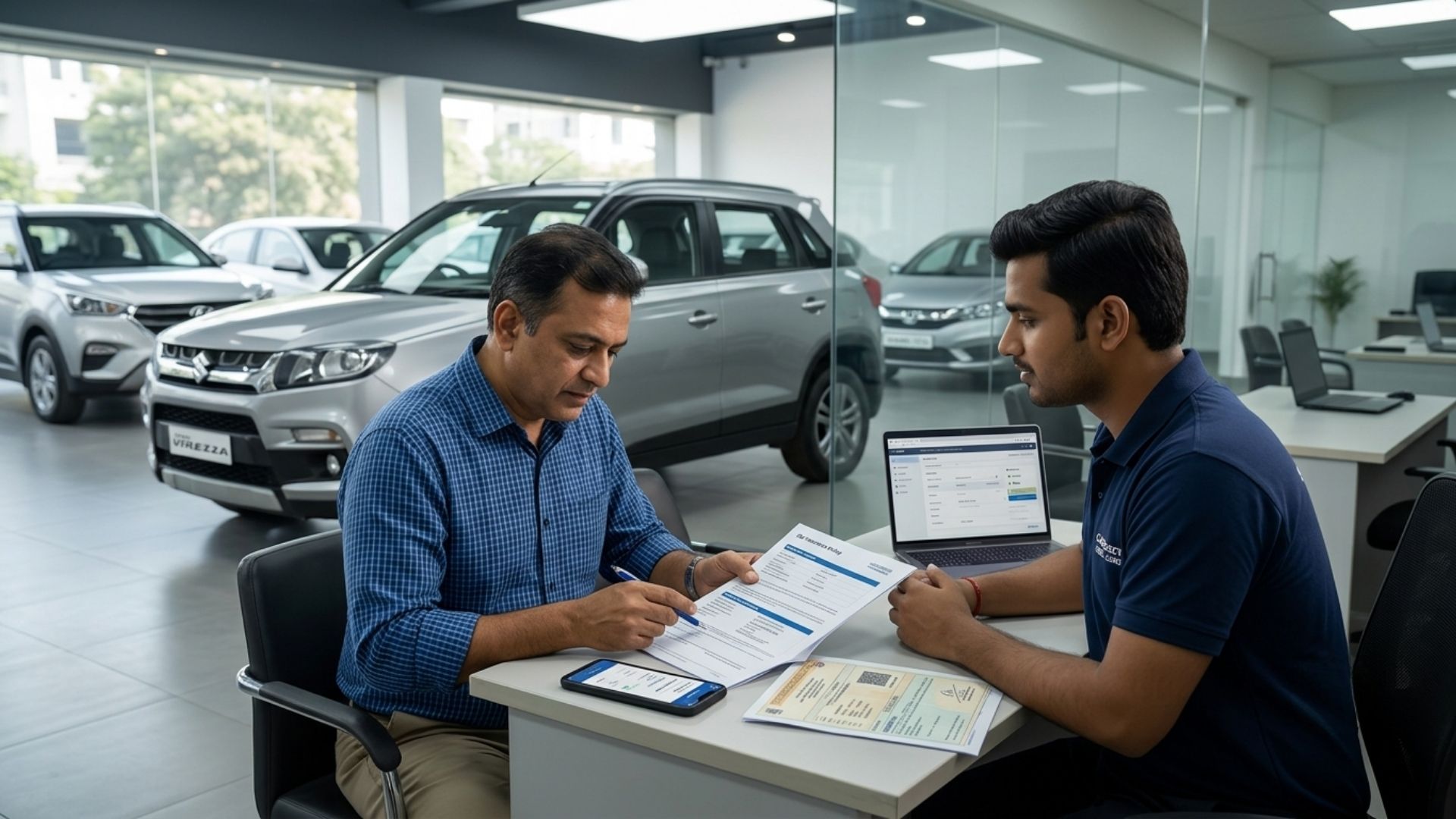

Buying a used car is more than simply checking the mileage, service history, and physical condition. Also, it is recommended to check the status of the car insurance before closing the deal. A valid policy can save you the headache of unnecessary costs and also ensure the vehicle stays legally covered once ownership is transferred.
Checking the insurance details takes just a few minutes, from the policy expiry date to the car insurance premium, and can save you unpleasant surprises later on. A practical guide to insurance checks and transfers when buying a second-hand car.
Quick Summary
- Check whether the existing car insurance policy is active and valid.
- Verify the policyholder, registration number, insurer, and expiry date.
- Review the type of cover, including third-party or comprehensive car insurance.
- Make sure the insurance is transferred to your name after purchasing the vehicle.
- Compare available policies before renewal to find suitable cover and pricing.
What Is Car Insurance and Why Do I Need It?
Car insurance is a type of financial protection policy against the risk of car damage or injury. In India, vehicles running on public roads are required to have third-party motor insurance.
You can also select comprehensive car insurance depending on your needs, which usually gives more extensive coverage to the insured vehicle, subject to the terms and exclusions of the policy.
The right cover can protect you against costs resulting from accidents, theft, damage, and third-party liabilities. Thus, the correct policy can be an important part of buying a used car.
Why Should You Check Car Insurance Before Buying a Used Car?
If you are buying a used vehicle, checking insurance before purchase will give you a better idea of the current coverage.
First, make sure the policy is not expired. If your policy has expired, you may need to arrange new cover immediately after purchasing the car.
You also want to verify that the policy details correspond with the vehicle. Check the registration number, make, model, and other particulars against the car and its papers.
Another important point is policy claim history and No Claim Bonus (NCB), if any. NCB is usually attached to the policyholder, not the vehicle, so don’t assume that the benefit of the previous owner is automatically yours.
If your current coverage is about to expire, shop around and think about how much protection you need, not just renewing the same policy.
What Details Should You Verify on the Existing Policy?
Ask the seller for a copy of the current insurance policy and check the key details before paying for the used car.
Look for:
- Policy number and insurer
- Vehicle registration number
- Policy start and expiry dates
- Name of the existing policyholder
- Type of insurance cover
- Insured Declared Value (IDV), where applicable
- Add-ons included in the policy
- Claim-related information
- Premium and payment status
The policy should match the vehicle that you are buying. If discrepancies are found, ask the seller to explain them before you proceed with the transaction.
Third-Party vs. Comprehensive Cover
Third-party insurance covers liability to third parties. Depending on the policy, comprehensive policies may also cover more extensive coverage for the insured vehicle.
If you’re looking for wider protection, compare the benefits, exclusions, deductibles, and car insurance premiums rather than just choosing a policy based on price.

What Documents Are Needed to Transfer Used Car Insurance?
When ownership changes, the insurance policy should also be transferred appropriately. The exact paperwork can vary between insurers, so check the insurer's current requirements.
Commonly requested documents may include:
- Existing insurance policy
- Registration Certificate (RC)
- Sale or transfer documents
- Application for policy transfer
- Identity and address proof, where required
- Inspection or other documents, if requested by the insurer
Do not delay the transfer of the car after purchase. Call the insurer immediately and follow their procedure.
Practical Insurance Checks Before Buying a Used Car
Also read:- Zero Depreciation Car Insurance: Is It Worth Buying in 2026?
Common Car Insurance Mistakes to Avoid When Buying a Used Car
Assuming the Seller's Policy Automatically Transfers
You can’t just take over the insurance of the previous owner when you buy the car. You have to go through the transfer process. Find out the insurer’s procedure and send them the necessary documents.
Ignoring the Policy Expiry Date
If a policy expires soon after you buy, you might need to renew straight away. Look at the date before you sign on the dotted line.
Choosing the Cheapest Policy
The lowest car insurance premium may not provide you with the coverage you really need. Compare coverage, exclusions, deductibles, and useful add-ons versus price.
Not Checking Vehicle Details
An error as small as a mismatch in your registration or vehicle information can cause a problem when you file a claim. Always cross-verify the policy with the official documents of the vehicle.
Forgetting to Compare Policies at Renewal
You might have other choices besides your current insurer. As renewal nears, compare the best car insurance policy for your needs on coverage, service, and overall value.
Conclusion
Checking car insurance before buying a used car can help you avoid coverage gaps, unexpected expenses, and paperwork issues. Verify the policy's validity, vehicle details, cover type, and transfer requirements before completing the purchase.
Whether you continue with the existing policy or choose a new car insurance policy in India, compare the coverage and car insurance premium carefully. A little preparation can make the transition to owning a used car much smoother.
FAQs about Car Insurance
1. Can I check car insurance before buying a used car?
Yes. Ask the seller for the existing policy details and verify its validity, vehicle information, coverage, and expiry date before completing the purchase.
2. Does car insurance automatically transfer to the new owner?
No. The insurance transfer should be completed through the insurer's required process. Contact the insurer promptly after purchasing the vehicle.
3. Should I choose comprehensive car insurance for a used car?
Comprehensive car insurance may be suitable if you want broader protection than third-party cover. Consider the vehicle's value, your budget, and the policy's coverage before deciding.
4. What happens if the used car's insurance has expired?
You should arrange valid insurance before driving the vehicle on public roads. Check the insurer's requirements and obtain appropriate cover as soon as possible.